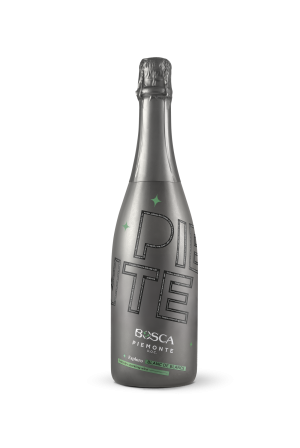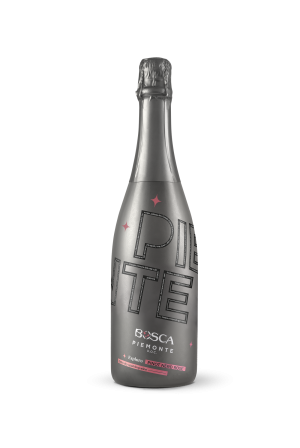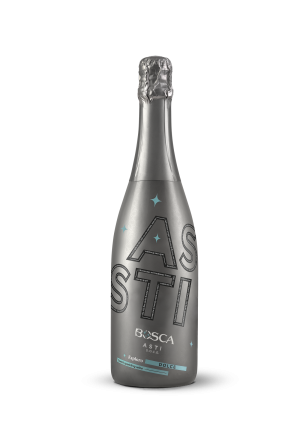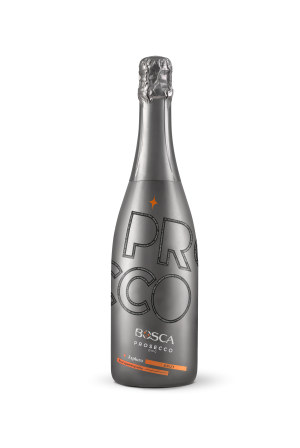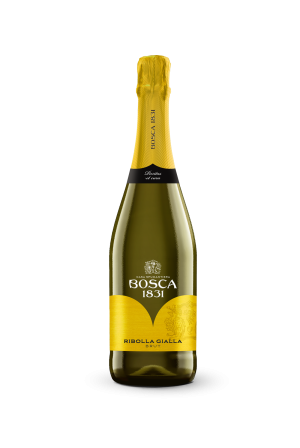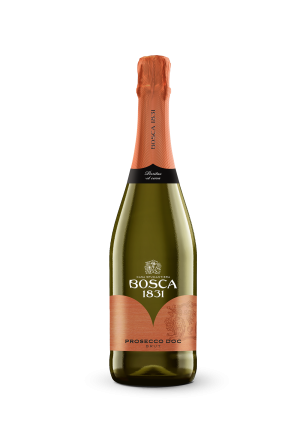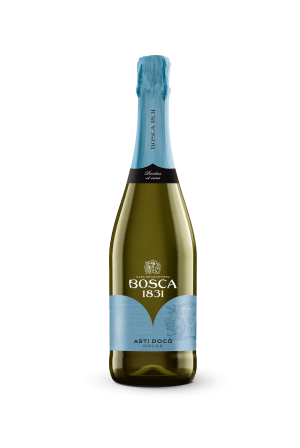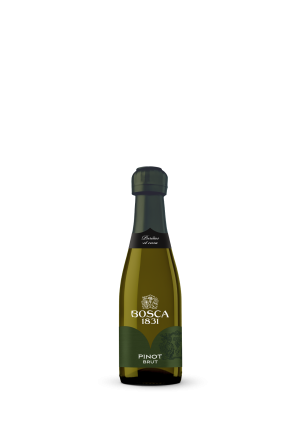


Charmat Method
Late 19th century. Federico Martinotti, from Asti, invented the method, while the Frenchman Eugène Charmat invented the equipment—all to allow the wines to undergo secondary fermentation in steel autoclaves. Even today, these sparkling wines are still made this way.
Let’s talk about sparkling wines crafted to bring out the authentic soul of the grapes to the fullest. At the heart of this technique is the second fermentation in a pressure tank, a meticulous process that preserves the must’s original aromas without weighing them down. There’s a clear difference in approach compared to more structured sparkling wines: rather than seeking the complexity and evolution that come from a long aging in the bottle, the Charmat Method emphasizes immediacy and liveliness. The result is an unmistakable fresh, fruity, and aromatic style, ideal for the most convivial toasts. In the glass, you’ll find all the energy and expressiveness of the grape variety, making for a smooth, joyful, and never mundane drinking experience.
The secret to a perfect toast is knowing how to choose the right wine for the occasion. If you’re looking for a bold flavor for an aperitif or to pair with an entire meal, go for the Brut, which is drier and more vibrant. Those who prefer a well-rounded and versatile wine will find what they’re looking forin the Extra Dry, which is smoother and perfect for pairing with appetizers or delicate cheeses. Finally, Dolce sparkling wine—best suited for desserts or milder flavors—is certainly the ideal companion for pastries at the end of a meal, but it will also surprise you with unexpected pairings: try it to cut through spicy foods or to accompany a delicious, flavorful pizza. Playing with flavors is pure creativity; the beauty of it is feeling free to step outside the box. That’s why we invite you to experiment freely and let yourself be surprised!
When dinnertime approaches and you’re looking for the perfect sparkling wine to serve as an aperitif, the best bet is to go for something light and lively. Thanks to their unmistakably fresh and fruity profile, Charmat-method sparkling wines are the perfect companions for this ritual. Among the various styles, Brut and Extra Dry stand out as the most obvious choices to please everyone’s tastes. Brut, with its dry finish, whets the appetite for dinner, while Extra Dry offers the perfect roundness to pair with classic appetizers. What sets them apart from the very first glass is precisely this pleasant sense of drinkability and versatility, which allows these sparkling wines to pair effortlessly with everything from a simple charcuterie board to the most creative finger foods.
Recognizing a well-made sparkling wine requires paying attention to a few clear details. Visually, the first sign of careful craftsmanship is undoubtedly a fine, lively perlage. On the palate, the true secret of a Charmat-method sparkling wine lies in the perfect balance between freshness and aroma, offering a clean profile that isn’t thrown off balance by an unpleasant excess of sugar. Underlying all of this, we must never forget the importance of grape variety and appellation: choosing well-suited terroirs always guarantees a more authentic drinking experience. Finally, the great trump card of these bottles is their unbeatable value for money, which allows you to frequently uncork extremely satisfying and convivial glasses of wine without necessarily breaking the bank.
In the world of sparkling wines,the grape variety isof fundamentalimportance: it is the grapes themselves that define the soul of the wine. The varieties best suited to the Charmat method immediately release inviting floral and fruity notes, offering a fragrant and highly enjoyable taste. The strength of these sparkling wines lies in their versatility at the table—a quality that makes them the stars of the aperitif and all those casual occasions where a light, refreshing option is desired. But that’s not all: when you choose the sweeter versions, these wines are also perfect at the end of a meal to complement a delicious dessert.